
World's first endoscopic anchoring technology
Redefining interventional procedures with stability and control
KOEDA introduces anchoring as a new principle in advanced endoscopic intervention
Stability and control in demanding anatomy: KOEDA™ Endoscopic Anchor System enables precise fixation – establishing stable conditions for accurate and reproducible procedures.
The introduction of Lumen-Apposing Metal Stents (LAMS) has enabled minimally invasive alternatives to surgery, reducing patient burden and healthcare costs. However, target structures such as the jejunum or gallbladder are highly mobile within the abdominal cavity. This makes precise access and positioning challenging – even for experienced endoscopists – especially during puncture and device deployment. 4,6% Maldeployment (Reference: Dr. Giri S, et al. United European Gastroenterol J. 2024.) of cases.
For the first time, a high-precision organ anchoring system transforms complex EUS-guided procedures into controlled, reproducible interventions.
One platform. Two interventional applications.
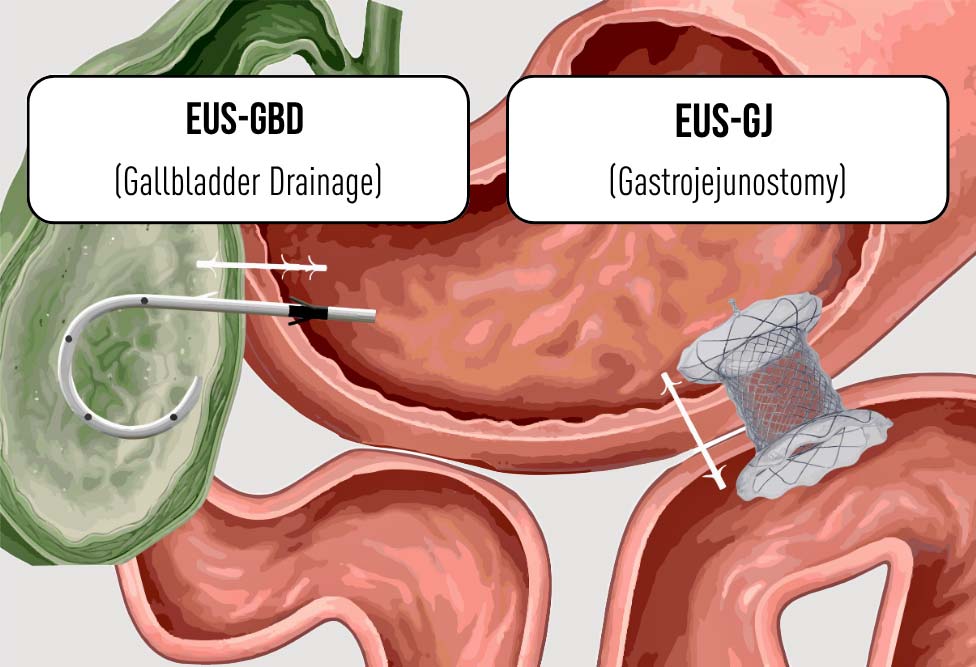
EUS-Guided Gallbladder Drainage (EUS-GBD)
KOEDA™ Endoscopic Anchor System enables stable positioning prior to drainage – supporting accurate placement and reliable performance.
Acute cholecystitis affects approximately 150,000 patients annually in Japan alone. For those ineligible for surgery, minimally invasive drainage is the only option. Current alternatives each fall short: PT-GBD causes severe pain and prolonged hospital stay; EUS-GBD with LAMS offers low procedural burden but cannot serve as a bridge to subsequent laparoscopic cholecystectomy – leaving patients without a definitive treatment path and at risk of recurrence.
Evidence and Limitations:
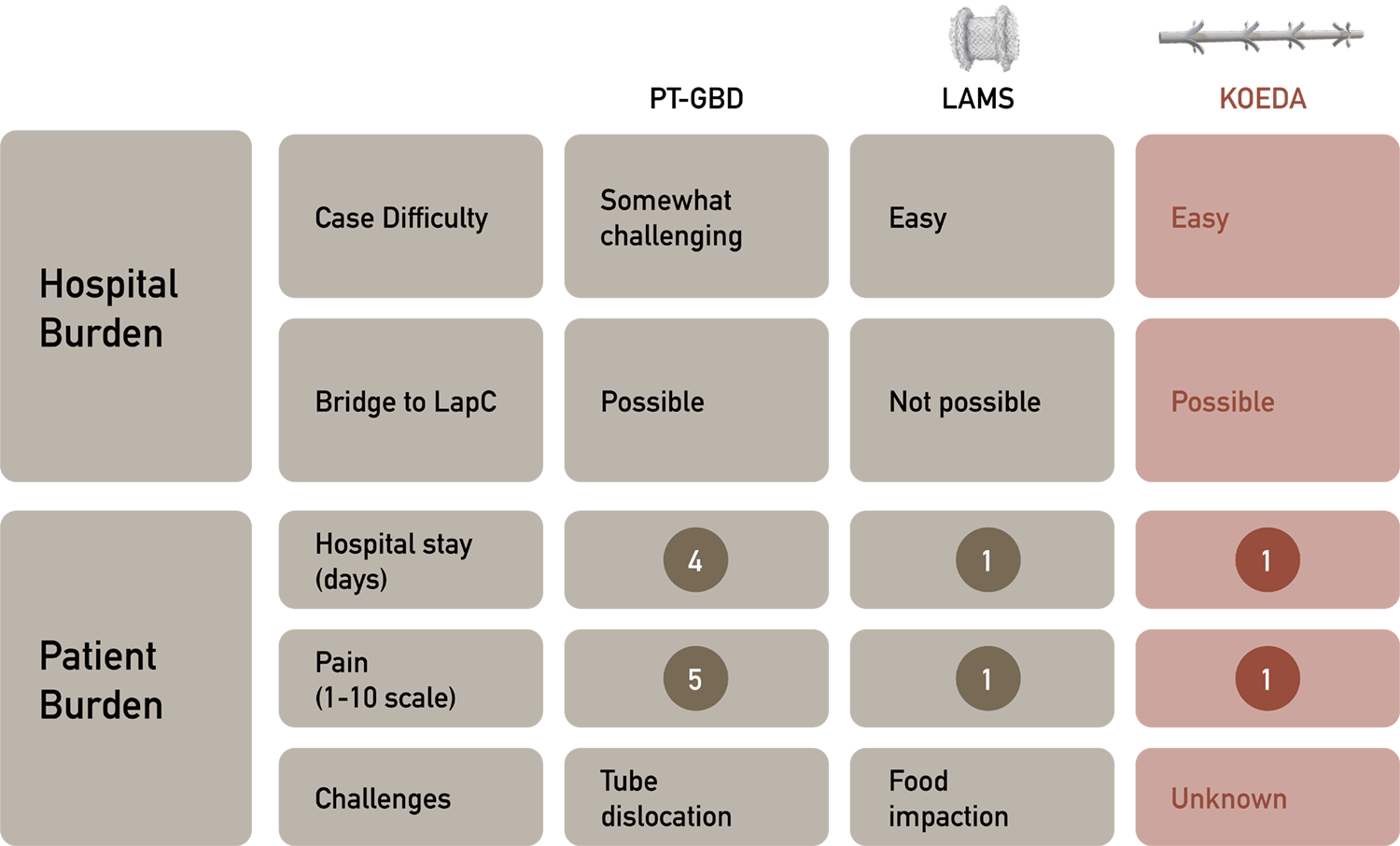
EUS-GBD with LAMS achieves easy procedural execution, a 1-day hospital stay, and minimal pain (score: 1/10). Despite these advantages, food impaction remains a known complication, and – critically – conversion to laparoscopic cholecystectomy is not possible after LAMS placement. For patients whose surgical eligibility may change over time, this represents a clinically significant limitation.
The KOEDA Solution
KOEDA™ System matches LAMS in procedural simplicity and patient burden while closing its key clinical gap. The anchoring mechanism enables stable drainage and – uniquely – preserves the option of bridging to laparoscopic cholecystectomy. For appropriate patients, this transforms EUS-GBD from palliative drainage into the first step of a definitive treatment pathway.
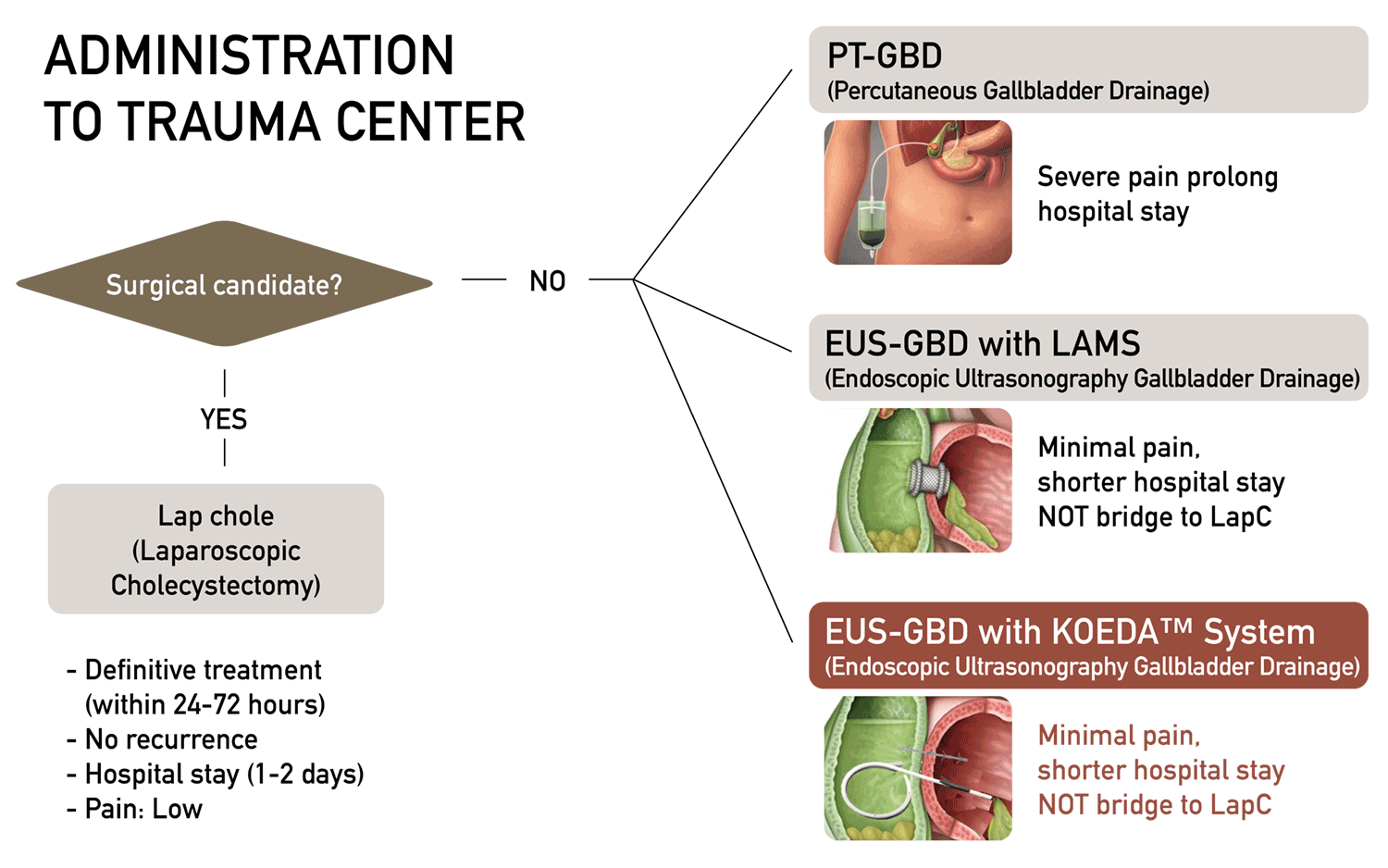
KOEDA reduces both patient and hospital burdens
Bypass – EUS-Guided Gastrojejunostomy (EUS-GJ)
Gastric outlet obstruction (GOO), typically caused by pancreatic, gastric or duodenal cancer, blocks food passage.
~8,500 patients/year in Japan
~44,500 across Japan, US and Europe
Treatment options:
Surgery Durable, highly invasive
Duodenal stenting
Less invasive, limited durability
EUS-GJ with Lumen-Apposing Metal Stent (LAMS)
Technical success: 96.9%
Clinical success: 90.6%
Adverse events: 13.0%
Maldeployment: 4.6%
EUS-GJ is effective but technically demanding.
KOEDA™ Endoscopic Anchor System supports controlled alignment before stent placement – enabling precise access and consistent outcomes.
References:
Pausawasdi N, et al. Endosc Ultrasound. 2021.
Dr. Giri S, et al. United European Gastroenterol J. 2024.
ENHANCING STABILITY AND SAFETY IN EUS-GJ
Advanced pancreatic cancer often leads to gastric outlet obstruction (GOO), physically blocking food passage and severely compromising patient quality of life
Stent maldeployment remains a critical concern in EUS-GJ
The KOEDA™ Endoscopic Anchor System fundamentally changes the safety profile of EUS-GJ by providing firm, controlled alignment between the stomach and the jejunum
EUS-GJ with LAMS
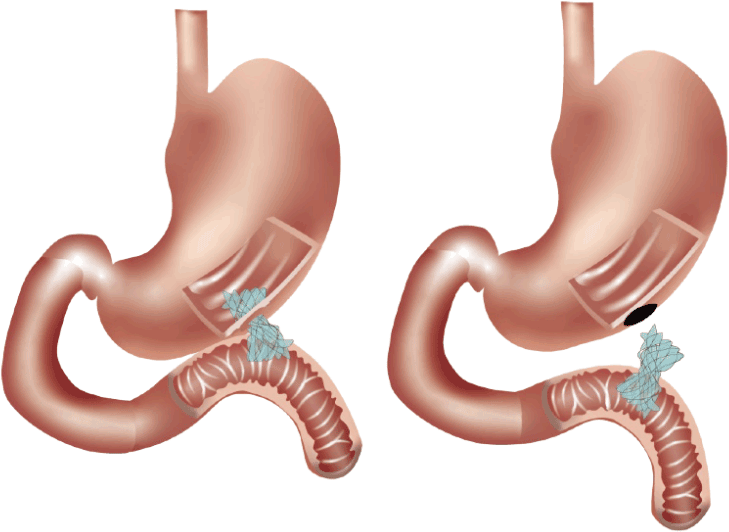
Conventional method
EUS-GJ with SEMS and KOEDA™ System
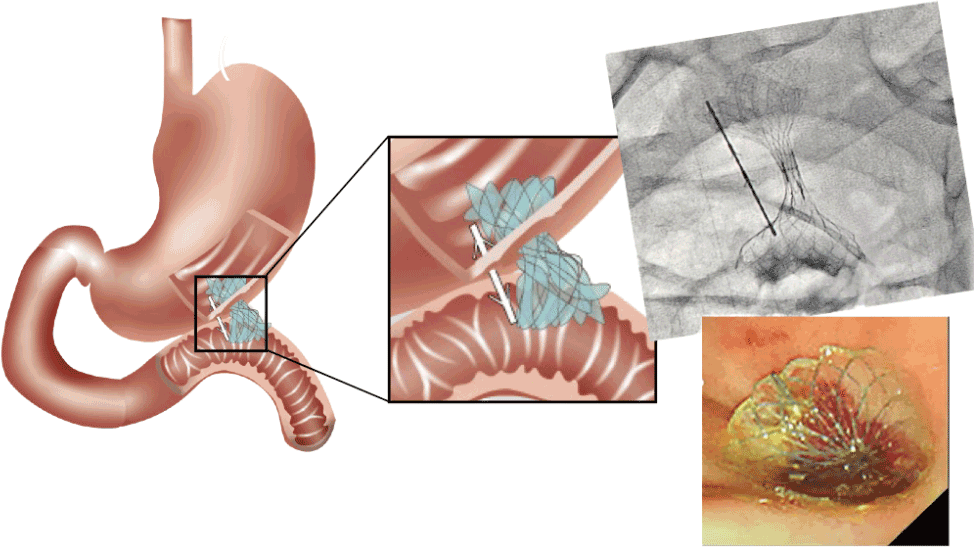
New method
The KOEDA™ anchor

Handle
The KOEDA™ Anchor consists of a miniaturized nitinol fixation implant, delivered via a puncture needle, enabling controlled anchoring between target structures.
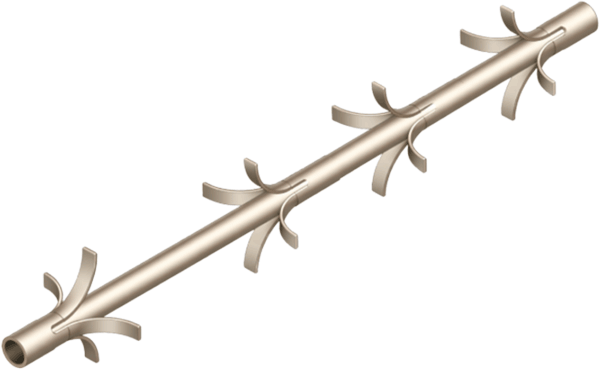
Fixation device (anchor)
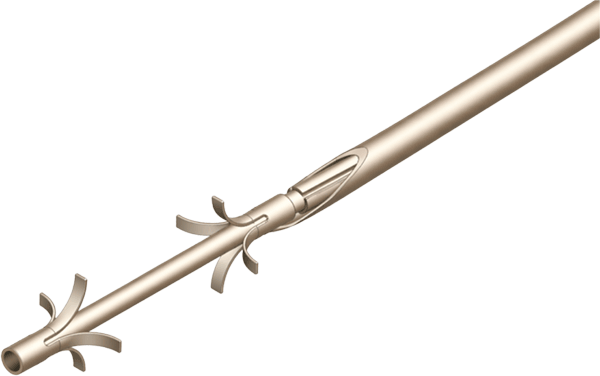
Puncture needle
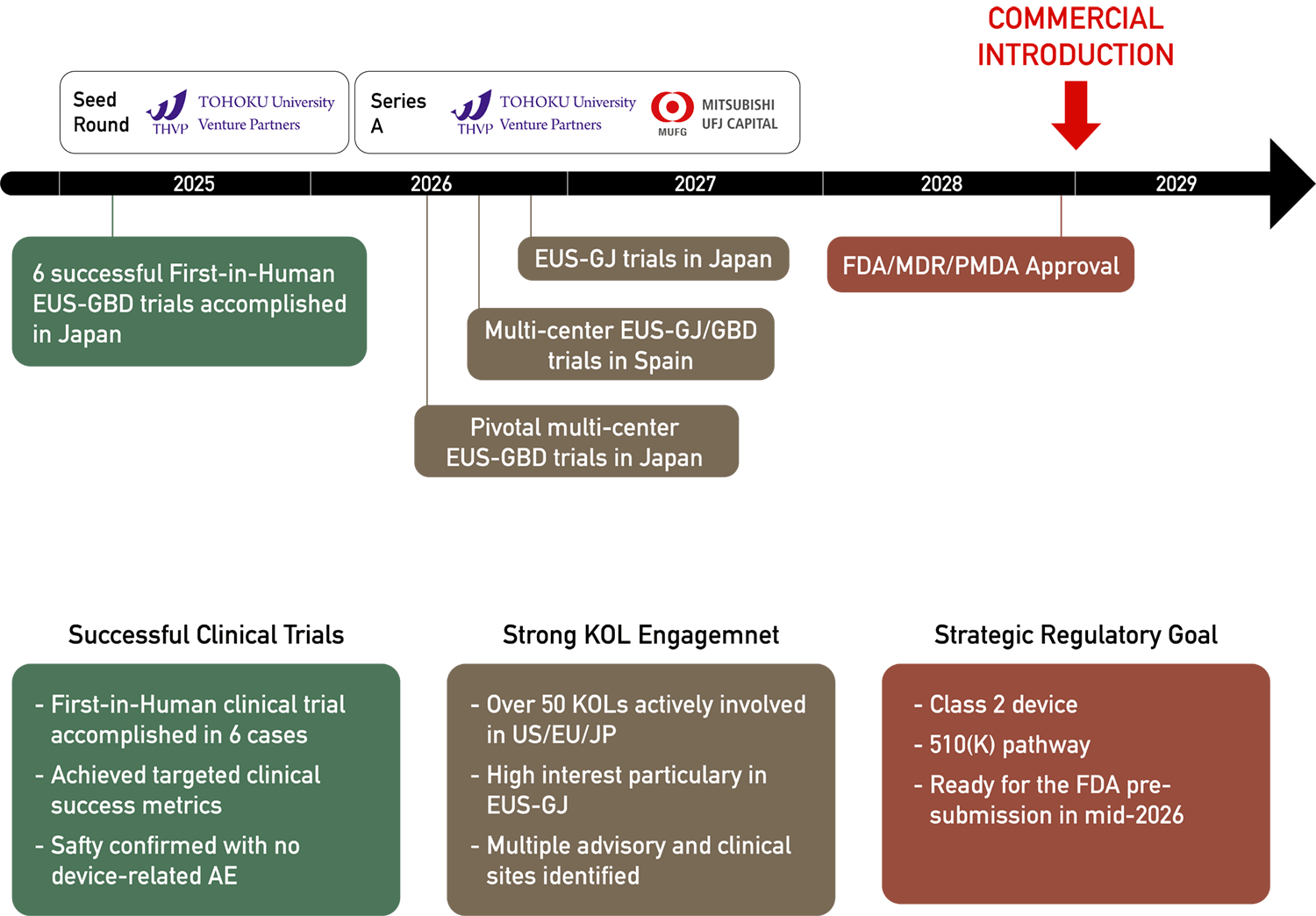
Milestones and future Goals
KOEDA Leadership
Founded by a gastroenterologist in Sendai, Japan.
Combining clinical expertise with advanced engineering and business innovation.
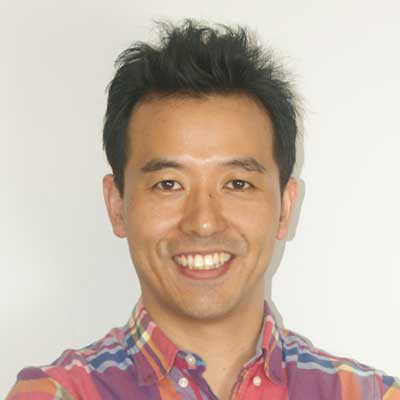
Toru Okuzono, M.D., Ph.D.
Managing Director & Founder, CEO & CTO
- Over 20 years of clinical experience in interventional endoscopy
- Director of Gastroenterology, Sendai Kosei Hospital
- Developer of KOEDA anchoring technology
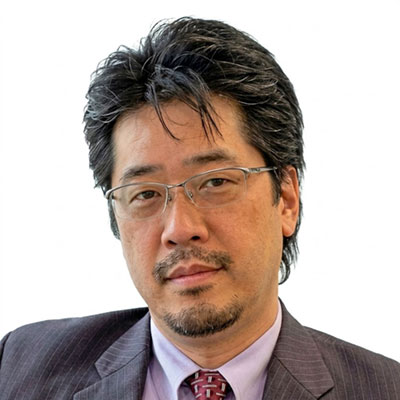
Masahiro Mike Yagi
Managing Director, COO
- Over 40 years of business experience in medical technology
- Former General Manager of Marketing at Olympus
- Former Senior Principal at Accenture
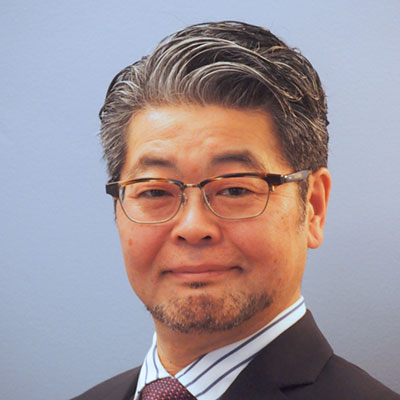
Yukio Nakajima
Director & Co-Founder, R&D & Global Business
- Over 40 years of business experience in medical technology
- Former Vice President of Olympus Europe and the U.S.
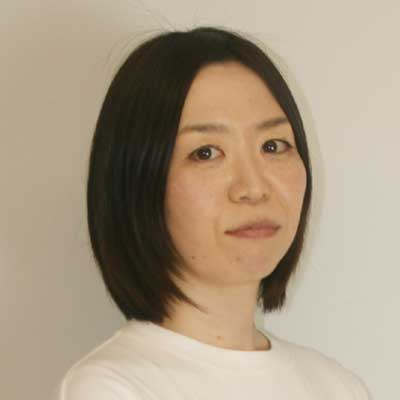
Atsuko Otomo, RN
Director & Co-founder, Corporate Affairs & External Relations
- Over 20 years of clinical experience as a registered nurse
- Responsible for corporate affairs and external relations
Explore KOEDA™ System
Anchoring technology for enhanced stability and procedural control in endoscopic intervention.
Do you have questions about the KOEDA™ System?
Submit your enquiry to our team.
KOEDA Inc
Aoba Ward, Sendai, Miyagi Prefecture, Japan
Frequently Asked Clinical Questions
What is KOEDA™ Endoscopic Anchor System?
KOEDA™ System is a medical device designed to improve procedural stability in EUS-guided interventions.
Why was KOEDA™ System developed?
KOEDA™ System was developed to address the technical difficulty and instability often encountered in EUS-guided procedures, with the goal of enabling safer and more reproducible treatment.
What problems does it solve?
It addresses instability, target movement, and variability in outcomes during EUS-guided procedures.
What makes KOEDA™ System clinically valuable?
Its clinical value lies in improving procedural stability, reducing variability, and supporting more consistent outcomes in complex endoscopic interventions.
What procedures does it target?
KOEDA™ System is primarily designed for EUS-guided gallbladder drainage (EUS-GBD), with potential future applications such as EUS-guided gastrojejunostomy (EUS-GJ).
Who is the intended user of KOEDA™ System?
KOEDA™ System is intended for physicians performing advanced endoscopic procedures, particularly those involved in EUS-guided therapeutic interventions.
Can I ask more specific technical or development-related questions?
Yes. For detailed technical topics or questions not covered in this FAQ, please use the AI assistant beside
What is the current development status?
KOEDA™ System is currently undergoing preclinical and clinical development, along with regulatory preparation for international deployment.
How is it different from existing devices?
Unlike conventional approaches that rely heavily on operator skill and guidewire manipulation, KOEDA™ System introduces a stabilization concept to improve precision and reproducibility.
What is the long-term vision for KOEDA™ System?
The long-term vision is to establish KOEDA™ System as a platform technology that enhances safety and reproducibility across a wide range of EUS-guided procedures.
Is KOEDA™ System designed only for expert operators?
No. One of the core objectives of KOEDA is to reduce operator dependency and enable more reproducible procedures beyond highly specialized expert settings.
AI ASSISTANT
Ask the AI Directly
Get detailed and real-time answers tailored to your questions.
- More specific technical questions
- Questions about development background and intended use
- Topics not covered in the FAQ
*ChatGPT login is required.